

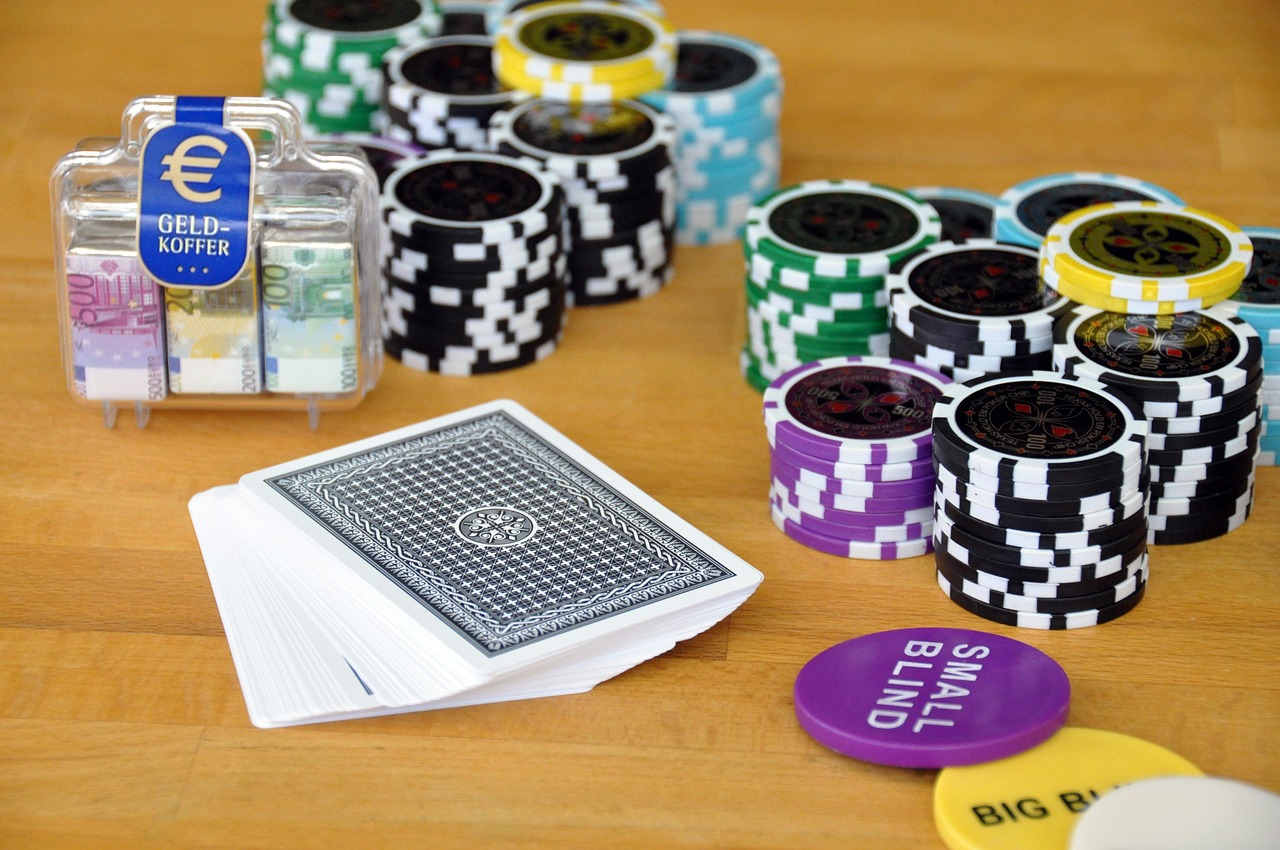
Ask ten seasoned gamblers what separates a winning session from a losing one and you'll get ten different answers. Luck. Bankroll. Discipline. The right game at the right time. After a decade of watching players bust out on the same slots where others walk away with four figures, I can tell you the biggest factor isn't the game you pick — it's the decisions you make around it. Variance rules everything in the short term, but the long run belongs to the player who treats gambling like a skill hobby instead of a lottery ticket.
RTP, House Edge, and Why They Actually Matter
Every casino game carries a mathematical edge for the house, and knowing those numbers is your first line of defense. Return to Player (RTP) percentages aren't marketing fluff — they're the statistical average of what a game pays back over millions of spins.
- Online slots: typically 94–97% RTP, though some low-volatility titles push toward 98%. Physical casino slots often sit closer to 85–92%.
- Blackjack: with basic strategy, house edge drops to roughly 0.5%. Play badly and it can balloon past 2%.
- European roulette: 2.7% house edge thanks to that single zero. The American version doubles it to 5.26%.
- Video poker (Jacks or Better): 99.5% with perfect play — one of the best bets in the building.
- Poker (cash games): no house edge at all, just a rake. Your edge comes from other players, not the casino.
The takeaway? A 95% RTP slot loses you $5 for every $100 wagered on average. That sounds small until you realize most slot players spin $500–$1,000 an hour. Game choice matters more than any "hot machine" myth.
Bankroll Management Is Non-Negotiable
This is where most players fail — not at the tables, but in the parking lot before they ever sit down. Good bankroll management means separating your gambling money from everything else and treating it as entertainment spend.
- Set a session limit before you log in. If you're depositing $200, that's your ceiling. Period.
- Size your bets relative to your roll. A common rule: no single bet should exceed 1–5% of your total bankroll.
- Use stop-losses and stop-wins. Walk away if you lose 50% or double your starting amount. Both protect you from yourself.
- Never chase losses. Martingale systems feel clever until you hit a 10-loss streak and your next bet is $5,120.
I've watched friends turn a $50 deposit into $800 and then give it all back in twenty minutes because they "wanted to hit a grand." The casino didn't beat them. Their own ego did.
Slots: Volatility Is the Real Story
New players obsess over theme and graphics. Experienced players check volatility first. Low-volatility slots pay smaller amounts frequently — think 96% RTP with hits every 3–5 spins. High-volatility slots (Megaways titles being the classic example) can go 100+ spins without a win, then suddenly drop a 5,000x multiplier.
Which is better? Neither. It depends on your bankroll and patience. If you're spinning with a $50 balance, a high-volatility game will eat you alive before the big hit arrives. If you're banking on a bonus round to change your week, low volatility won't get you there. Match the game to the goal, not to the thumbnail.
One more tip: bonus buy features exist for a reason. On most slots, buying the bonus round costs 50–100x your base bet. The EV is usually close to break-even, but the variance is brutal. It's a shortcut, not a strategy.
Poker: Where Skill Actually Tips the Scale
Poker is the only game in this article where a good player has a genuine long-term edge over a bad one. But that edge is smaller than most beginners think, and it shrinks fast as you move up in stakes.
The biggest leak I see in low-stakes cash games is playing too many hands. Good players fold 70–80% of their starting hands preflop, even when they're bored. The second leak is ignoring position. Acting last is a massive information advantage — a hand like J9 offsuit is trash from under the gun and playable from the button. A detailed guide is available at winvn.company.
Tournament poker is a different animal. You can play perfectly for six hours and lose to a two-outer on the river. That's not a bug; it's the format. Cash games reward consistent decision-making. Tournaments reward survival and aggression at the right moments. Pick whichever suits your temperament — and for the love of everything, don't play tournaments on a cash game mindset.
Bonuses, Promotions, and the Fine Print
Welcome bonuses are the most misunderstood product in iGaming. A "100% up to $500" offer sounds like free money until you read the wagering requirements.
- 30x wagering on a $500 bonus means betting $15,000 before you can cash out anything.
- Game weighting varies wildly. Slots often count 100%, blackjack might count 10%, and some games are excluded entirely.
- Max bet clauses can cap you at $5 per spin while clearing the bonus. Bet more and you forfeit the whole thing.
- Time limits of 7–30 days mean slow, careful play often kills the bonus before you finish clearing it.
That said, a well-chosen bonus can extend your playtime meaningfully. A 20x wagering requirement on a low-house-edge game is a genuine value add. A 50x requirement on American roulette is a trap. Do the math or skip it entirely.
The Psychology That Kills Bankrolls
Nobody talks about this enough. Tilt — the poker term for playing emotionally — is just as lethal on slots and sportsbooks as it is at the table. Common triggers include a bad beat, a near-miss on a jackpot, or simply being three drinks past sensible.
Practical defenses: set a timer for table games, take a 10-minute break every hour, and never play with money you need for rent. If you're playing to win back Friday night's losses, you've already lost twice. Responsible gambling tools like deposit limits, session reminders, and self-exclusion exist for a reason. Use them proactively instead of after the damage is done.
The Honest Conclusion
Here's the truth most iGaming content won't tell you: the vast majority of players will lose money over time. That's not pessimism — it's arithmetic. The house edge grinds down even disciplined players in games of pure chance. Where you can gain an edge is in poker, in bonus math, in game selection, and in the quality of your decisions when things go wrong.
Treat gambling as entertainment with a built-in cost, the same way you'd treat a night at the cinema or a nice dinner. The second it stops being fun — or the second it starts feeling like a way to fix other problems — step away. The best gamblers I know aren't the ones who win the most. They're the ones who know exactly when to stop.


Coding is used in almost all aspects of life and work now, be it directly or indirectly. It’s not just for companies in the tech sector. “An increasing number of businesses rely on computer code,
Coding is used in almost all aspects of life and work now, be it directly or indirectly. It’s not just for companies in the tech sector. “An increasing number of businesses rely on computer code,
Coding is used in almost all aspects of life and work now, be it directly or indirectly. It’s not just for companies in the tech sector. “An increasing number of businesses rely on computer code,