

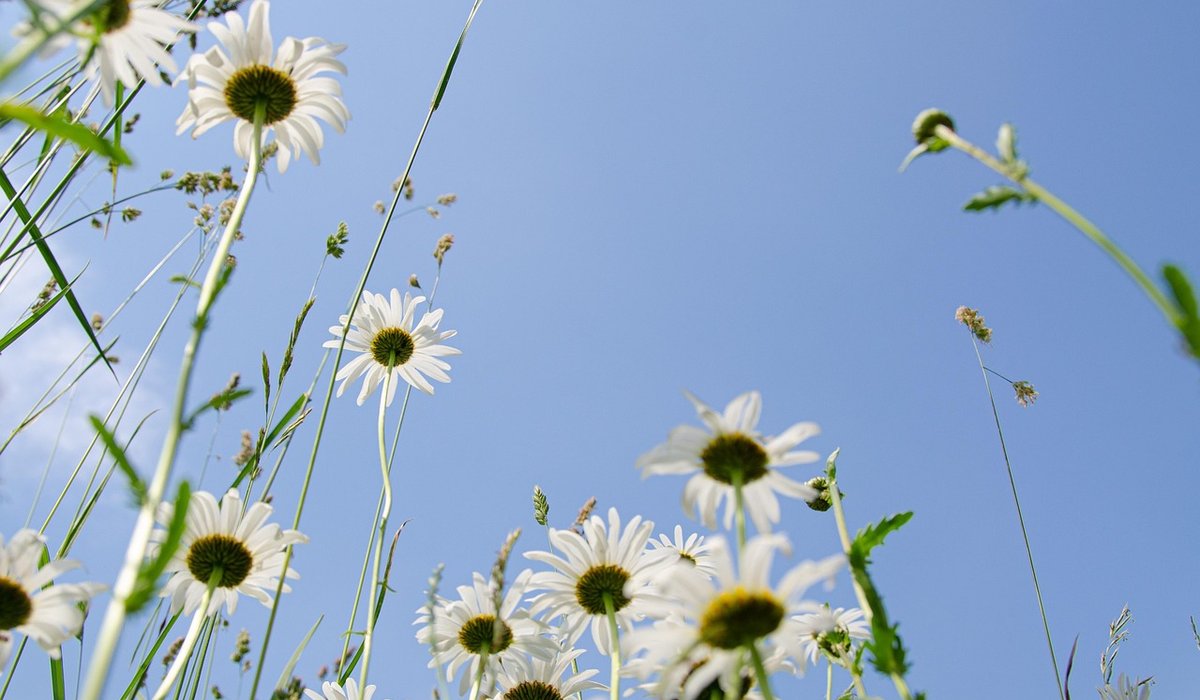
Why Country Folk Still Watch the Weather
There is a particular pleasure in stepping out of the village on a slow morning, boots on, flask in the bag, and pausing to look up before you reach the first gate. Watching the weather is not about becoming a forecaster. It is about paying attention — the sort of quiet, unhurried attention that slow living asks of us. A glance at the sky, a feel of the wind on your cheek, a note of where the swallows are feeding: these small observations can tell you a great deal before you set out. And even if you get it wrong, you have spent a few minutes noticing the world, which is no bad way to begin a ramble.
Cloud Shapes and What They Promise
Clouds are the most honest signpost in the sky. Learn a handful of shapes and you will rarely be caught out. Cumulus — those bright, cauliflower-like puffs — are fair-weather clouds when they stay small and scattered. But if they start building upwards by late morning, growing tall and dark at the base, expect showers by mid-afternoon. Cirrus, the wispy streaks often called mare's tails, usually mean a warm front is on its way. Rain may follow within twenty-four to forty-eight hours, though the day itself can stay fine and bright. Lenticular clouds — smooth, lens-shaped stacks over the hills — signal strong winds at height, even when the valley feels calm. And a mackerel sky, those rippled rows of small clouds, is the classic warning that the weather will change within a day. If you see the sky turning grey from the west while the wind stays soft, take a waterproof. You will probably need it.
Wind Direction and the Weight of the Air
Wind is the engine of our weather, and its direction matters more than its strength. In Britain, a south-westerly usually brings mild, damp, changeable conditions — the Atlantic in a hurry. An easterly in winter means cold, dry air from the continent; in summer it often brings fine, settled days. But watch for changes. If the wind backs — shifting anticlockwise, say from south-west to south to south-east — low pressure is approaching and the weather will worsen. If it veers — shifting clockwise, from south-west to west to north-west — conditions are usually improving. You can also read the air itself. A sudden scent of rain after a dry spell, or the distant rumble of traffic sounding unusually clear, suggests moisture is on the way. Smoke rising straight from a cottage chimney means settled air; smoke curling downwards and lingering is a sign of rain. Even the birds notice: if the air feels heavy and close, take that as your cue to shorten the walk.
Birds, Beasts and Other Small Clues
Creatures are often quicker than we are to sense a shift. Swallows and martins flying low over the fields are feeding on insects that have been pushed down by low pressure and rising humidity. That is a reliable sign of coming rain. Seagulls moving inland, especially in large numbers, often precede a storm. Rooks returning to their nests late or chattering noisily can suggest a change in the air. On the ground, look for pine cones — they close tightly before rain and open in dry weather. Dew on the grass in the early morning is a good sign of a fine day ahead; a dry, dewless morning often means cloud cover and possible rain. Sheep turning their backs to the wind, or cattle grazing eagerly before a storm, are worth noting. None of these signs is infallible, but together they build a picture. And a picture is all you need to decide whether to take the short loop or the long one.
A Village Ramble Check Before You Set Out
You do not need instruments or apps. A few moments at the gate will do. Run through this simple check before you leave the village:
- Look west. Is the sky darkening or cloud thickening? If so, rain is likely within a few hours.
- Wet your finger and hold it up. Which side feels cold? That is the wind direction. Note whether it has changed since yesterday.
- Listen. Are the birds feeding low and busily, or singing from high perches? Low feeding often means rain.
- Smell the air. A fresh, earthy scent after dry weather can mean rain is coming.
- Check the grass. Heavy dew suggests a settled day. Dry grass suggests cloud and possible drizzle.
- Pack for the worst. A light waterproof and a warm layer weigh almost nothing and make a difference.
Watching the weather is a slow skill, learned over seasons rather than days. It asks you to pause, to look, to feel — and then to walk on, whatever the sky decides. That is the quiet heart of countryside living: not control, but attention. And attention, as any rambler knows, is its own reward.


Coding is used in almost all aspects of life and work now, be it directly or indirectly. It’s not just for companies in the tech sector. “An increasing number of businesses rely on computer code,
Coding is used in almost all aspects of life and work now, be it directly or indirectly. It’s not just for companies in the tech sector. “An increasing number of businesses rely on computer code,
Coding is used in almost all aspects of life and work now, be it directly or indirectly. It’s not just for companies in the tech sector. “An increasing number of businesses rely on computer code,